Recycling and Sustainability at Aperfield Storage
 At Aperfield Storage, sustainability is part of how we think about space, movement, and responsibility. Our recycling and sustainability approach is designed to reduce waste, support local reuse, and make everyday operations cleaner and more efficient. We know that storage customers increasingly want practical solutions that also reflect their environmental values, so we have built a policy that combines responsible waste handling, smarter transport choices, and community-focused partnerships. A key part of our commitment is a recycling percentage target that helps us measure progress year by year and keep improving our performance.
Our current goal is to divert a high proportion of operational waste away from landfill, with a target of recycling or reusing at least 90% of applicable materials generated through site activity. This includes cardboard, paper, plastics, metals, pallets, wrapping materials, and other recoverable items. By setting a clear recycling target, Aperfield Storage can track results, identify gaps, and maintain accountability. In practice, this means separating materials carefully, working with licensed waste handlers, and continually reviewing how we can reduce contamination in the recycling stream.
 We also recognise the importance of local infrastructure in making storage recycling effective. Our waste is directed through approved local transfer stations and processing facilities that handle mixed recyclables, general waste, and bulky items in line with borough rules and regional best practice. In areas around Bromley, Croydon, and neighbouring parts of South London, borough approaches to waste separation often focus on keeping paper, glass, cans, food waste, and residual waste apart. That wider habit of sorting materials at the source supports what we do on site, because better separation usually means better recovery rates and less waste going to disposal.
Part of our recycling strategy is to make sure that materials are dealt with by the most suitable route. For example, clean cardboard may be baled for recycling, wooden items may be reused or broken down for recovery, and certain metal components may be sent into specialist metal streams. When possible, we aim to extend the life of packaging and storage-related materials through reuse before recycling becomes necessary. This hierarchy of reuse first, recycle second helps lower the environmental impact of routine operations and supports a more circular model.
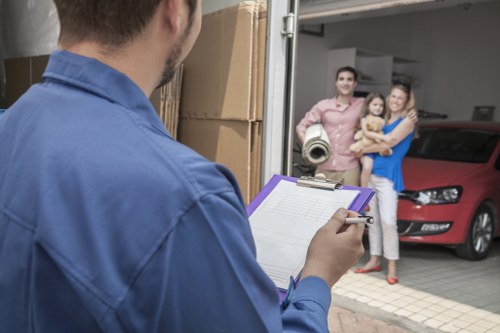 Our sustainability work also extends beyond waste. Transport is a major part of any storage business, so we are investing in low-carbon vans to reduce emissions from collection and delivery journeys. These vehicles are chosen for better fuel efficiency and lower tailpipe emissions, with an increasing shift toward hybrid and electric models as operational needs allow. For a storage company, even modest reductions in transport emissions can make a meaningful difference over time, especially when deliveries, collections, and site movements are considered together. We see cleaner transport as an essential part of modern self storage sustainability.
In addition, our teams are encouraged to follow practical steps that cut unnecessary waste from day-to-day work. That includes using digital documents where possible, reducing single-use materials, and choosing packaging options that are easier to recycle. The aim is not only to meet a target, but to create habits that support long-term environmental performance. In a borough setting where households and businesses are already familiar with separating mixed recycling from general waste, these habits feel natural and achievable. They also help storage users who want their own belongings and packaging to be handled with care.
Another important pillar of Aperfield Storage sustainability is our partnership work with charities and community organisations. Items that are still in usable condition do not always need to be recycled; sometimes they can be given a second life through donation. We work with charities and reuse-focused partners to help redirect suitable furniture, household items, office materials, and other goods away from disposal. This not only supports local causes but also keeps valuable items in circulation for longer, which is often better than recycling alone.
These partnerships are particularly useful when customers are decluttering during moves, renovations, or business changes. Usable goods can be separated from damaged or non-recoverable items, allowing charitable reuse to take priority. Where items cannot be passed on, they are then sorted into appropriate recycling channels, such as textiles, wood, metal, cardboard, and certain plastics. This blended approach reflects the practical realities of recycling at storage sites and ensures that each item follows the most environmentally responsible route available.
 We also take note of how different boroughs manage waste separation, because local policy shapes what can be recovered successfully. In many nearby areas, recycling services encourage residents to rinse containers, keep paper dry, and avoid mixing non-recyclables into household bins. Those simple principles matter for businesses too. By mirroring that careful separation on site, Aperfield Storage helps improve the quality of collected materials and reduce contamination, which can otherwise lead to entire loads being rejected. Better sorting means better outcomes for everyone involved.
Our environmental focus is not limited to a single initiative. Instead, it is built into the way we operate every day, from choosing low-carbon vans for transport to managing materials through approved transfer stations and building reuse partnerships with charities. We believe that a modern self-storage recycling plan should be visible in every part of the business, from packaging disposal to vehicle selection. The goal is to make sustainability practical, measurable, and consistent rather than symbolic.
 Looking ahead, Aperfield Storage will continue to refine its recycling percentage target and seek new ways to raise performance. We will keep exploring options for improved sorting, more efficient logistics, and greater reuse, especially where local networks can help turn unwanted goods into useful resources. As borough-wide waste systems evolve and more people adopt careful separation habits, we aim to stay aligned with those standards and contribute positively to the wider community. For us, sustainability is not an extra; it is a core part of responsible storage.